
Key Takeaways
- Egg donation is typically limited to one or two cycles per year for safety.
- Legal and health guidelines govern egg donation frequency to protect donor well-being.
- Comprehensive health assessments are crucial before each egg donation cycle.
- Emotional well-being is monitored alongside physical health during the donation process.
- Financial compensation for egg donation varies based on several factors.
- Ethical considerations include donor safety and informed consent in repeated donations.
- Professional guidance ensures donors make informed decisions about egg donation frequency.
- Ongoing support and follow-up care are essential for donor health post-donation.
Guidelines on How Often You Can Safely Donate Eggs
“How frequently can you donate eggs? And does donating impact your health or future family planning?” These are some of the most common questions asked by those considering the extraordinary act of egg donation.
Understanding the process, guidelines, and potential limitations is essential for anyone thinking about taking this generous and transformative step. This post outlines the basics of egg donation frequency requirements and examines the factors that influence how often you can donate eggs.
Readers will learn about the impacts of repeated donation on the body and gain insights into the financial aspects of the process. The discussion addresses potential donors’ concerns, providing clear information to support informed decisions about egg donation

Understand the Basics of Egg Donation Frequency Requirements
This section outlines legal restrictions on egg donation and presents health guidelines for ensuring safe practices, including recommended blood tests, medication protocols, and limits on alcohol intake. It also details the average annual donation frequency, offering practical insights for individuals considering reproductive technology to become a parent.
Learn About the Legal Limits on Egg Donation
The legal restrictions governing egg donation determine the number of cycles a donor may undergo. In contrast, guidelines regarding donor egg IVF procedures emphasize the careful administration of gonadotropin medicine to minimize risks such as ovarian hyperstimulation syndrome.
Clinics require detailed health assessments and ensure that each oocyte retrieval is conducted under strict medical protocols to safeguard the donor’s well-being.
Health Guidelines for Safe Donation Practices
The guidelines for safe donation practices ensure that each patient undergoes a minimally invasive procedure under strict medical supervision. Extensive consideration is given to how many times one can donate eggs before increasing health risks.
The process involves regular assessments such as ultrasounds and blood work and acquiring an insurance policy for donors that covers potential complications. It also involves maintaining vigilance during the procedures to avoid any complication that might compromise the quality of the eggs or the donor’s health.
This approach provides patients with comprehensive care and ensures that every cycle is managed following the highest safety standards.
How Often Can a Women Donate Eggs Annually?
Data indicates that women typically can undergo egg donation once or twice per year, based on comprehensive evaluations and adherence to precise treatment cycles; clinics ensure procedures proceed with minimal pain and maximum safety using advanced technology and strict protocols to achieve desired outcomes for creating a baby.
Health and insurance coverage for the process are thoughtfully coordinated to support donors, ensuring they can play a crucial role in modern reproductive care while prioritizing and protecting their long-term well-being.

Determine the Factors Affecting Egg Donation Frequency
Assess overall health, medical history, and weight while examining reproductive system function to determine how often you can donate eggs.
When planning IVF egg donation through an egg donor program, consider personal schedule demands and the impact of medication and hormonal treatment. This approach provides practical insights to align health and life balance with donation frequency guidelines.
Assess Your Overall Health and Medical History
An overall health evaluation and a thorough medical history review are essential in determining optimal egg donation frequency. These can influence outcomes and ensure donor safety throughout each cycle.
Advanced consultations help a potential donor understand the impact of previous procedures, such as pelvic surgery, chemotherapy , on long-term fertility and overall well-being.This process also clarifies the donor’s motivation to become a donor and their ability to maintain steady health and lifestyle practices throughout their donation journey.
Evaluate the Demands of Your Schedule and Life
Individuals should carefully consider their daily commitments before determining egg donation frequency. They should consult a physician and a nurse practitioner who can provide tailored advice regarding the donor’s scheduling needs.
The process recognizes diverse family structures, including those within the LGBTQ community, with guidance informed by standards from the American Society to ensure a balance between donation benefits and personal life demands.
Consider the Impact of Medication and Hormonal Treatment
The egg donation process requires close attention to how medication and hormonal treatment affect the donor’s body. A donor medical evaluation ensures that any drug interactions are closely monitored. For more detailed information on the guidelines surrounding this process, refer to the ASRM guidelines.
Professionals stress that maintaining clear records of the donor’s overall health is essential for safe donating practices in egg donation cycles.
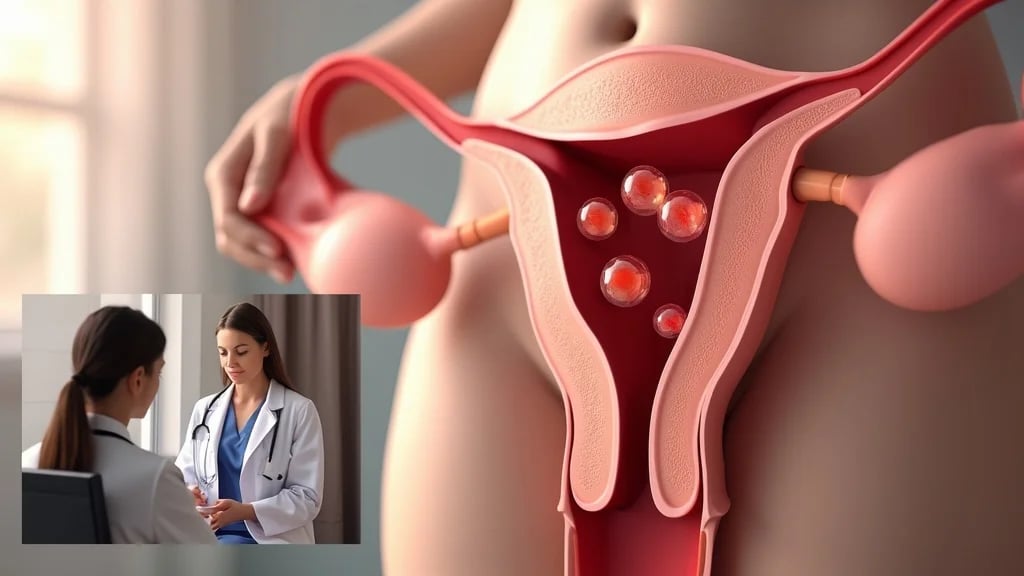
Analyze the Impacts of Repeated Egg Donation on Your Body
Review common physical effects and monitor emotional well-being during multiple donation cycles. This section examines hormone shifts, egg bank processes, ovulation changes, reproduction safety, and contractual obligations.
It provides practical insights for donors and supports informed decisions throughout the donation process.
Review Common Physical Effects Associated With Multiple Donations
The clinic carefully monitors donors to ensure that multiple donations do not lead to severe physical side effects, such as minor allergic reactions during medication protocols or hormone imbalances; experts advise that repeated donation cycles be managed with professional oversight to prevent complications of any sort.
Regular health assessments support donors, guaranteeing that the donation process remains safe while addressing any concerns related to ongoing treatments or medication reactions.
Monitor Emotional Well-Being During the Donation Process
Maintaining emotional well-being during the donor egg process is essential to overall health, and regular physical examinations play a vital role in this journey.
Professional guidance helps ensure that emotional challenges are addressed immediately, providing education on stress management tools and support tailored to the unique demands of assisted reproductive technology.
This proactive approach enables donors to confidently manage physical and emotional aspects while contributing to family building.

Investigate the Financial Aspects of Egg Donation
This section breaks down potential earnings from each egg donation cycle and explains how donation frequency influences total income.
The text highlights key aspects such as freezing options, sperm screening, and tailored donor programs. It offers insights that help fulfill the dream of donating while optimizing financial benefits within a structured framework.
Calculate Potential Donor Compensation for Each Cycle
Several factors can determine the financial gain from each egg donation cycle, including the donor’s ability to undergo anesthesia safely, and whether the donor is able to complete the process. Many donors are incentivized to donate again by an increase in compensation by the egg banksgiving the donors an opportunity to donate multiple times in their lifetime.
How Donation Frequency Impacts Your Compensation
When evaluating egg donation frequency, clinics consider the impact on total income, balancing the donor’s scheduling constraints, considerations of health concerns like whether advanced maternal age could influence the safety protocols necessary for each cycle. This ultimately guides donors to maximize successful outcomes while ensuring their well-being remains a top priority.

Explore the Ethical Considerations Surrounding Egg Donation
This section examines the moral implications of repeated egg donation, discussing how sedation and gamete preservation affect donor safety. For more in-depth information, consider referencing the ASRM guidelines on repetitive oocyte donation.
It also identifies support systems for addressing ethical dilemmas related to egg donation, such as accessibility issues and balancing regular sexual intercourse with treatment cycles. These topics offer clear insights into maintaining donor well-being and informed decision-making.
Discuss the Moral Implications of Repeated Egg Donation
The ethical complexities of repeated egg donation include safeguarding the donor’s health and prioritizing their overall well-being. Ensuring physical safety and maintaining anonymity or the proper means of identity disclosure are central to addressing these concerns responsibly.
Experts note that careful oversight of the donor treatments, and proper emotional support , provides a framework for informed consent while addressing moral concerns in the donation process.
Support Systems for Donors with Ethical Dilemmas
When facing ethical dilemmas associated with egg donation, individuals receive assistance from dedicated egg donor agencies or mental health experts that offer personalized counseling and support tailored to their unique considerations like genetics, , and weight gain and ethnicity.
These agencies and experts provide practical guidance, ensuring each donor feels well-informed and supported throughout every process.
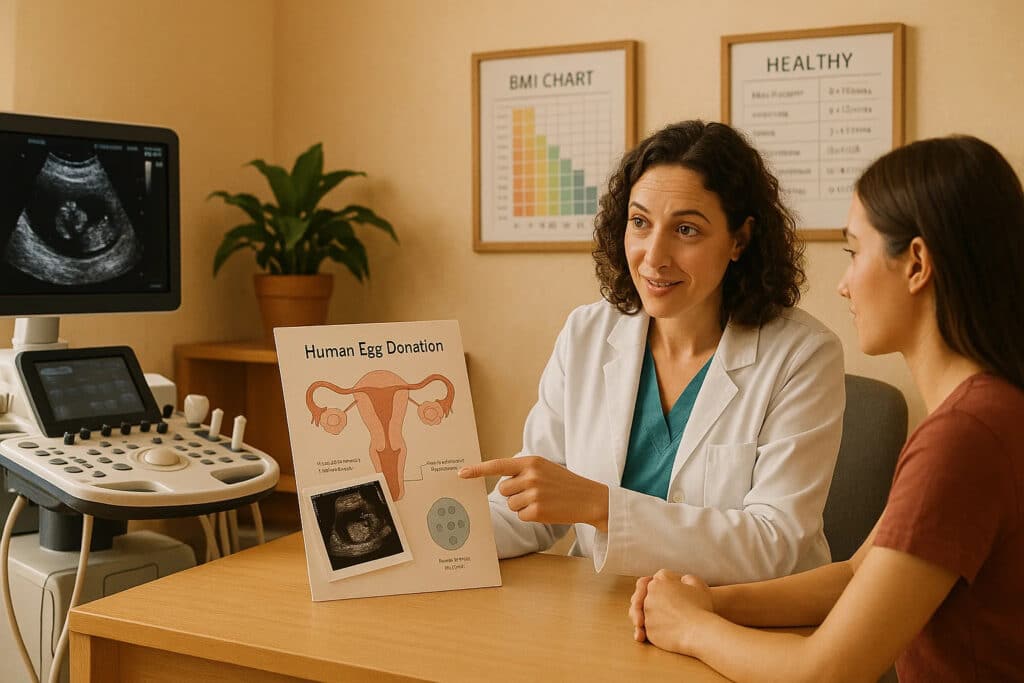
Seek Professional Guidance on Egg Donation Decisions
Fertility specialists recommend tailored advice and regular follow-up visits to monitor donor health.
Key assessments include blood hormone levels tests, comprehensive screening, infectious disease testing mandated by the food and drug administration , detailed medical history reviews, and ultrasound evaluations.
These steps ensure informed decisions and optimal outcomes for egg donation frequency.
Consult With Fertility Specialists for Tailored Advice
Fertility specialists offer tailored advice by applying their knowledge in endocrinology to evaluate donor readiness and address issues such as bloating, using laboratory data for accurate assessments.
They also facilitate communication through secure email addesse exchanges to ensure that every recommendation, is personalized and practical.
Schedule Follow-Up Visits to Track Your Health as a Donor
Consistent follow-up visits enable fertility specialists to monitor key health indicators such as body mass index, bleeding patterns, and signs of disease, ensuring that every donation cycle is optimized based on accurate data.
This proactive approach benefits the donor’s well-being, as medical experts tailor recommendations to ensure safety and maintain a smooth process throughout egg donation.

EggCelle’s Guide to Safe and Ethical Egg Donation
Establishing clear guidelines ensures donor safety while optimizing treatment outcomes in egg donation. Detailed assessment protocols monitor physical and emotional well-being throughout the donation process.
Stringent screening and tailored medical evaluations help maintain health and minimize risks in each cycle. These practices empower donors to contribute safely to reproductive care while balancing personal life and long-term health.
Eligibility Criteria for Egg Donation
The EggCelle clinic carefully evaluates potential donors to ensure they meet specific eligibility criteria. This includes assessing factors such as age, medical history, and overall health to determine if an individual is suitable for the egg donation process. Donors must undergo comprehensive screening and testing to confirm their suitability and minimize any potential risks or complications.
Eligible donors at EggCelle are typically between the ages of 21 and 32, with regular menstrual cycles and no history of genetic disorders or infectious diseases. The clinic also considers factors like body mass index, medication use, and lifestyle habits to ensure the donor's well-being throughout the donation process. By adhering to these stringent guidelines, EggCelle aims to provide a safe and ethical egg donation program.
Psychological Evaluation and Counseling
Donating eggs is not only a physical process but also an emotional one. At EggCelle, potential donors undergo a thorough psychological evaluation to assess their motivations, mental health, and ability to cope with the demands of the donation process. The clinic's team of mental health professionals provides counseling to ensure donors are fully informed and prepared for the potential psychological and emotional impact of egg donation.
During the counseling sessions, donors explore their reasons for considering egg donation, potential feelings of grief or loss, and strategies for managing the emotional aspects of the process. This comprehensive approach helps donors make an informed decision and ensures they have the necessary support throughout their EggCelle journey.
Donor Compensation and Financial Considerations
Egg donation at EggCelle is a compensated process, providing financial assistance to donors for their time, commitment, and the physical and emotional demands of the procedure. The clinic carefully considers factors such as the donor's medical history, the number of eggs retrieved, and the complexity of the donation process to determine the appropriate compensation.
Donors at EggCelle can expect to receive a competitive financial package that recognizes their valuable contribution to the reproductive journey of others. The clinic also provides guidance on the potential tax implications and offers resources to help donors manage their finances effectively. By addressing the financial aspects of egg donation, EggCelle ensures donors can make informed decisions and focus on the altruistic nature of their contribution.
Ongoing Support and Follow-Up Care
At EggCelle, the commitment to donors extends beyond the donation process itself. The clinic provides comprehensive follow-up care and ongoing support to ensure the long-term well-being of its donors. This includes regular check-ups, monitoring of physical and emotional health, and access to a dedicated team of healthcare professionals.
EggCelle understands that the egg donation journey does not end with the retrieval procedure. The clinic's holistic approach to donor care includes educational resources, support groups, and personalized guidance to help donors navigate the post-donation phase. By prioritizing the donor's well-being, EggCelle demonstrates its unwavering dedication to creating a positive and empowering experience for those who choose to be a part of its egg donation program.